

AI helps change talent management into a strategic partnership, from an instrument of administration to a forecasting tool. The progressive companies are using AI to find high-potential leaders sooner, seal skills gaps before they emerge, and build individualized development strategies that can help people advance their careers faster. The practical AI application can provide insight into the way HR can transform into a business intelligence and a powerhouse of competitive advantage instead of a support function.
Transforming Recruitment and Talent Acquisition
AI screening processes resume, LinkedIn profiles, and GitHub repositories based on job needs and saves 40% of time-to-hire time and enhances the quality of candidates. Predictive hiring models are models that evaluate cultural fit, probability of long-term success, and flight risk based on past performance. Chatbots support screening conversation, interview scheduling and the response of repetitive questions, leaving recruiters to focus on building strategic relationships.
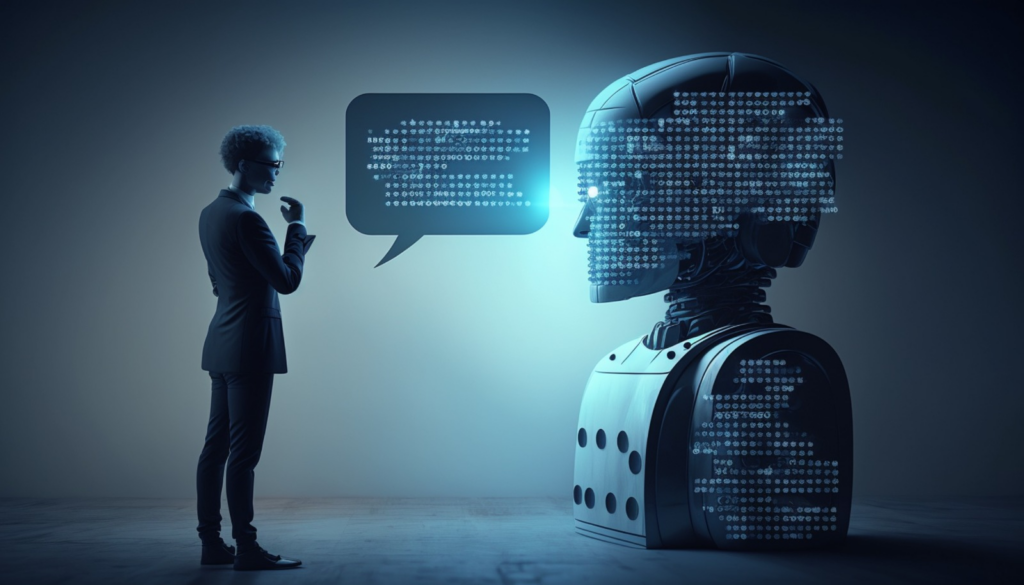
Analysis of video interviews is based on examination of communication skills, level of enthusiasm, and culture fit, using facial recognition and natural language processing. Through these tools, different candidates would be identified due to the fact that they would be identified when the traditional key-word searches fail, and this is a systematic way of dealing with the issue of inclusivity.
Improving Performance Management
Nowadays, the advancements of AI in human resources allow the continuous feedback to be used instead of the annual reviews and instruct coaching in real time. Sentiment analysis submits employee questionnaires, Slack chat and meeting notes that show patterns of engagement and burnout indicators to prevent attrition. Multi-source data integration The performance prediction models predict readiness to promotion, skill deficiencies, and leadership potential.
The development recommendations based on AI will produce individualized learning plans that reflect the personal strengths, career goals and organizational requirements. Micro-learning platforms can provide five minutes of learning in the down time of the workflow and increase the completion rates of 15 to 75 percent.
Skills, Intelligence and Workforce Planning
The internal talent market aligns employee skills with the vacant positions, and lowers hiring expenses by 30 percent. The AI also keeps mapping the organizational capabilities against the market needs and pinpointing the key areas of gap in AI literacy, data analytics, and digital transformation skills. Succession planning is predictive–simulation of leadership bench strength in different situations is made by algorithms, suggesting specific development investments.
The integration platforms of the gig economy allow internal marketplaces of projects or assignments where workers find out cross-functional stretch roles that develop versatile skills alongside fulfilling business needs.
Customized Employee Experience
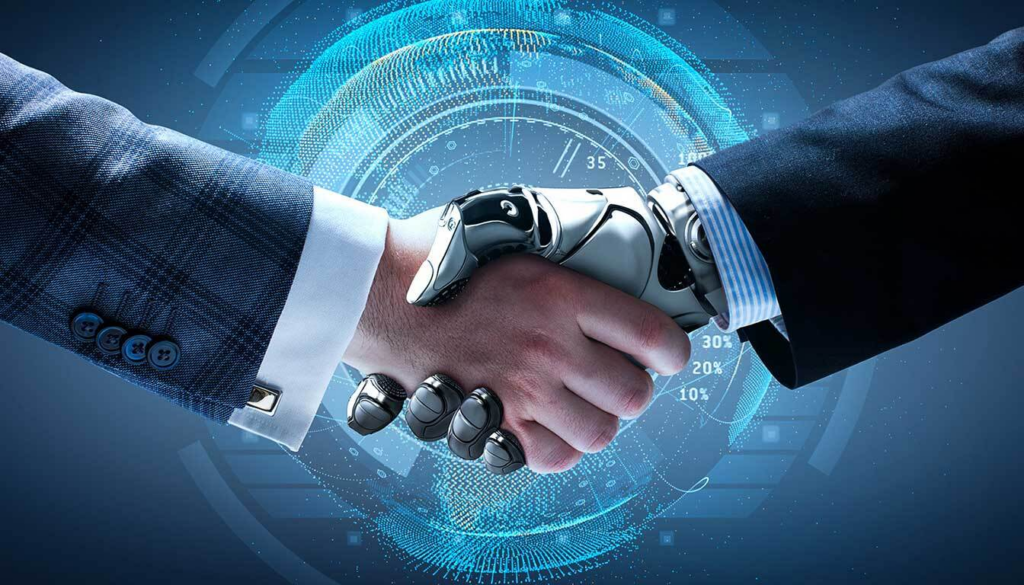
The AI virtual assistants are used to answer questions of benefits, make leave requests, and suggest wellness resources depending on personal health information and life experiences. Predictive analytics are used to recognize employees at risk of being disengaged, and prompt manager coaching, which includes specific interventions. Customized recognition systems would scan work patterns, likes and milestones performances and send personalized variations of appreciation at the most suitable time.
Monitoring of mental health based on anonymized behavioral pattern brings intervention opportunities and maintains the privacy based on aggregated insights.
Leadership Development Acceleration
Natural language processors on executive coaching platforms examine patterns of communication at meetings and suggest behavioral changes that would enhance team performance. AI simulates the boardroom scenarios training in pressure to make decisions during a crisis. The Leadership 360 testing incorporates peer ratings, self-scoring, and behavioral analytics that generate holistic development plans.
Optimization of Diversity, Equity and Inclusion
AI debiasing systems are middleware that analyze job descriptions, interview questions and promotion requirements to remove language that will cause unconscious bias. Pay equity analytics recognize difference in demographics, functions and performance stages with remedial plans that are to be implemented. Inclusion sentiment tracking is a psychological safety indicator at a team, department, and location.
Ethical AI Governance Structures
Making deployments responsible is a matter that involves human supervision that will guarantee equity, transparency, and responsibility. The drift and amplifying bias are identified through regular algorithm audits. Explainable AI models allow a clear rationale of decisions that avoid black boxes. HR, legal, data science, and employee ethics cross-functional ethics committees are composed of representatives that balance innovation and risk management.
Integration of the Change Management
The introduction of AI requires culture change. The emphasis of communication campaigns is not to replace the human workforce but to augment the human judgment based on technology. Pilot programs reflect real ROI creating organizational confidence. Level leadership champions map change adoption patterns that hasten adoption at enterprise-wide levels.
Measuring Strategic Impact
The composite indices used in major organizations to measure AI maturity include rates of adoption, the business impact, and employee sentiment. Investment returns are validated by the talent mobility rates, internal fill rates, and strength of leadership pipeline. The engagement scores are strongly linked with the effectiveness of personalization created by AI.
Future Convergence Trends
Hyper-personalized career pathing integrates genetic inclinations, personality tests and performance information that develops ten year development maps. The AR training enables the employees to be immersed in a simulated workplace that hastens the learning process. Emotion AI processes micro-expressions in virtual communication maximizing the dynamics in remote teams.
AI would help turn the administrative burden on talent management into a strategic benefit. Those organizations who have learned how to be responsible integrators develop adaptive workforces that flourish even in the face of constant disruption and human-oriented cultures that cannot be imitated with technology robots still possess empathy, creative, and collective momentum to propel sustainable excellence.